You don’t have to fix a feeling to make it lighter. Sometimes naming it is enough to start.
Some days you can’t say what’s wrong — only that something is. That vagueness has a cost. A feeling with no name is harder to sit with than one you can name, because it has no edges. It’s everything at once, and everything at once is exhausting.
Putting a word to a feeling doesn’t solve it. It just gives the feeling a shape, so you can stand next to it instead of being wrapped up in it. Like switching a light on in a room you’ve been moving through in the dark — you don’t change the room, you just stop bumping into the furniture.
Naming is the first kindness
You don’t need the right word, and you don’t need to explain it to anyone. Saying “this is closer to lonely than angry” already helps — it turns a fog into something with edges. You’re not trying to file the feeling away. You’re just taking it out of the “carry all at once” pile for a minute.
Six feelings, six small anchors
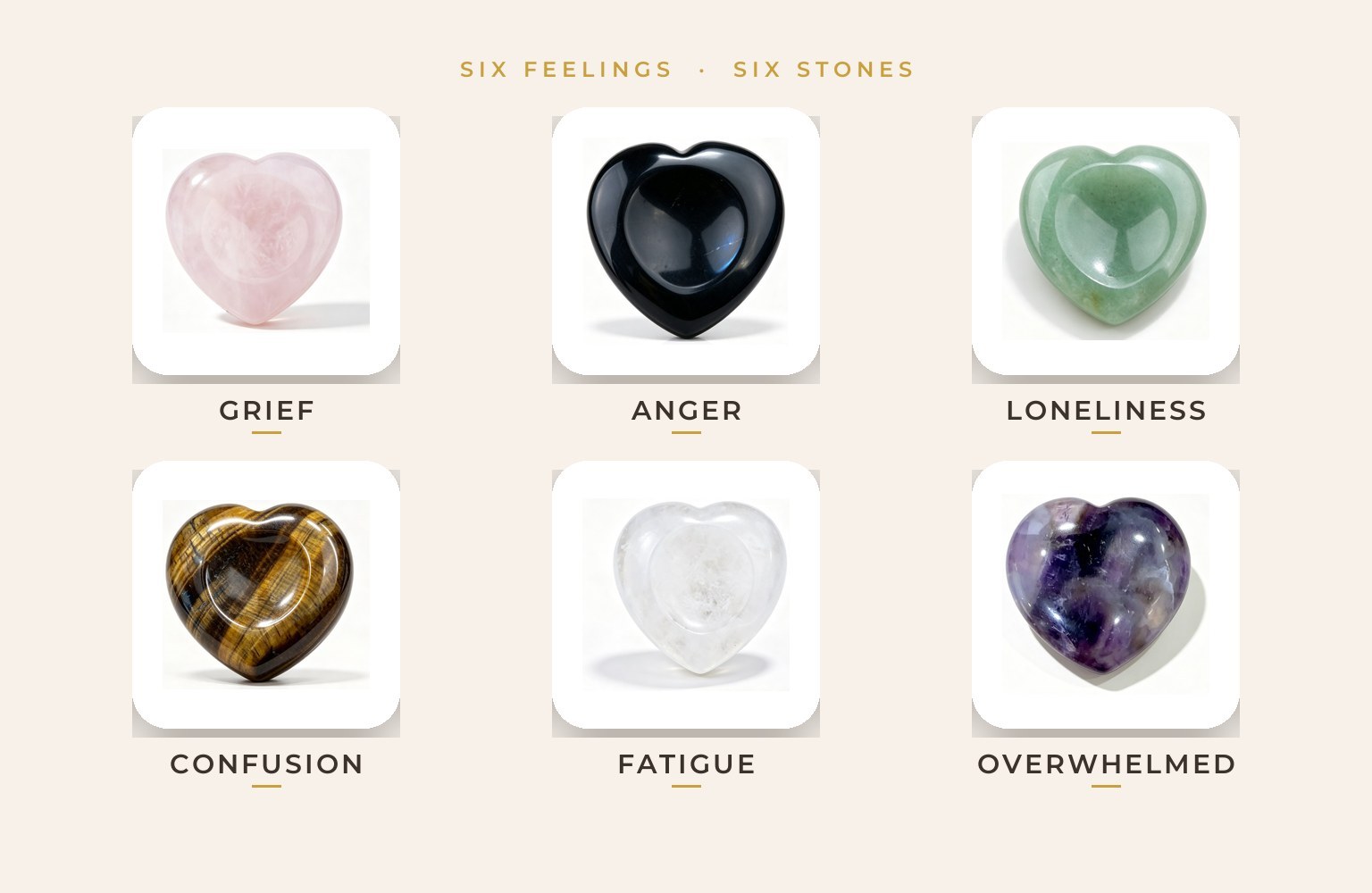
Below are six feelings that come up often, and one small anchor for each — something small enough that you’ll actually do it. None of them fix anything. They just give the feeling somewhere to rest for a moment.
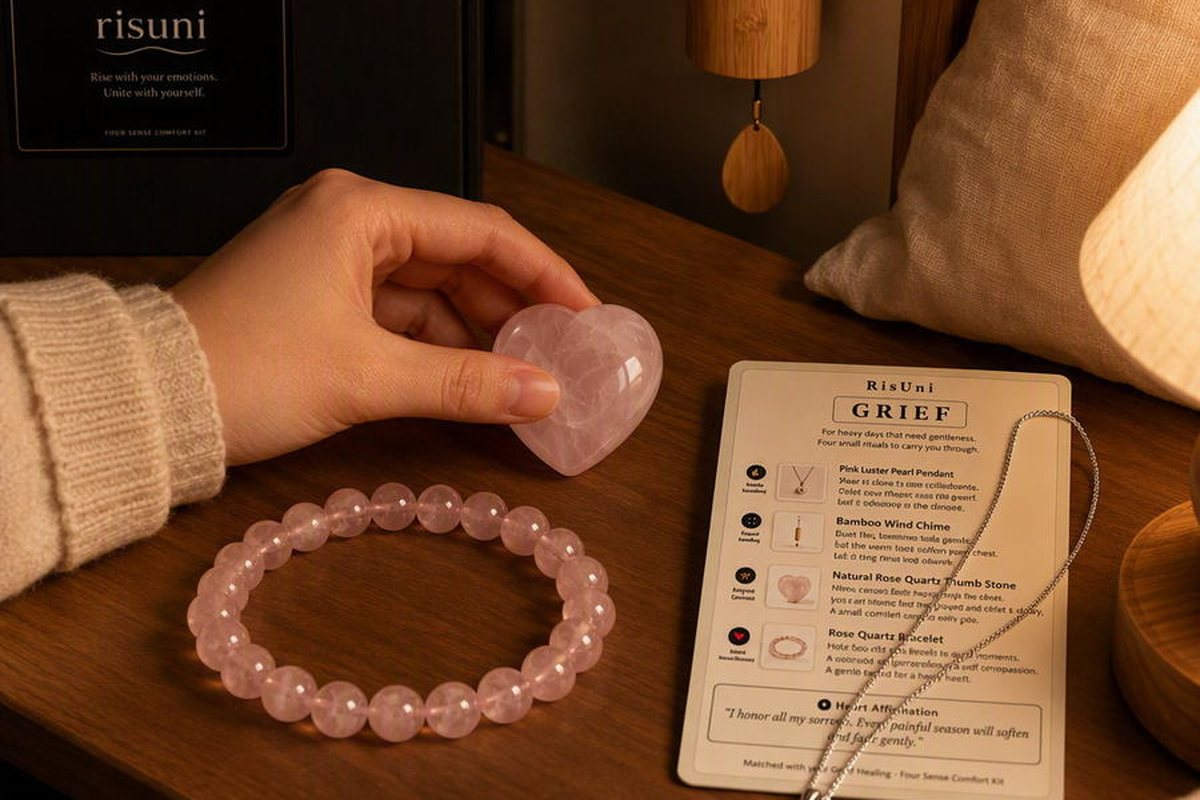
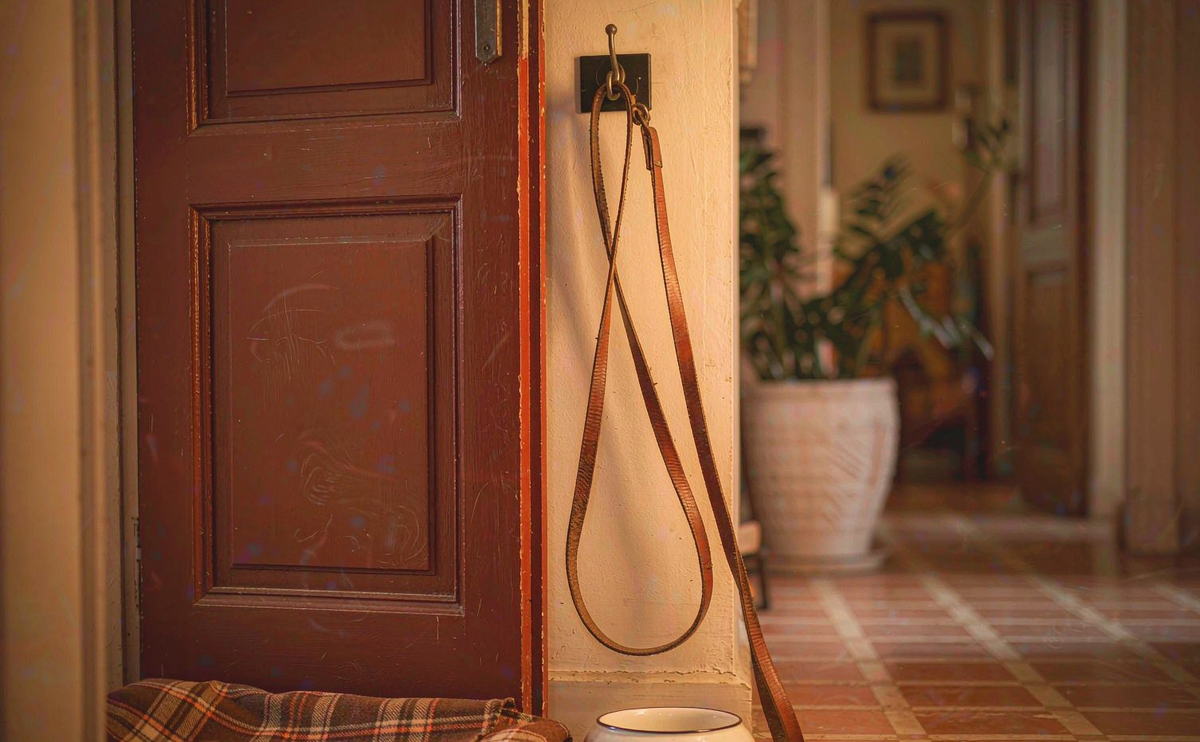
Grief — keep something that stays
With grief, the love is still there. It just has no place to land. A small anchor: keep one object that stays put — a stone in your pocket, a ring, a note on your desk. Not a monument to what you lost, just something that keeps you company while the feeling moves through.
Anger — let it move
Anger is often a boundary that got crossed, and it wants out. A small anchor: give it a physical outlet that hurts no one — one long note struck on a bowl, a fast walk around the block, one honest sentence written and then deleted.
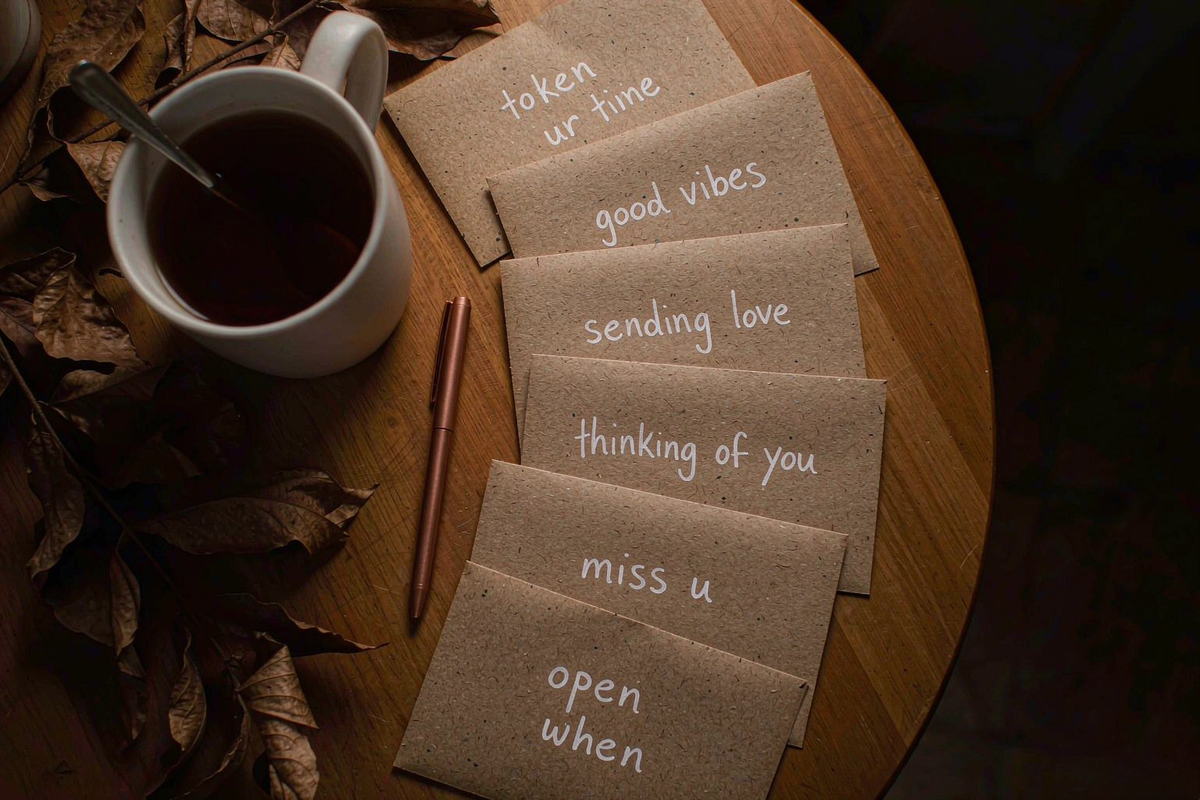
Loneliness — reach one person
Loneliness likes to tell you that reaching out would be a burden. A small anchor: send one sentence to one person, and hold something warm while you do — a mug, a folded cloth. Contact doesn’t have to be big to count.
Confusion — make the question smaller
Confusion is too many doors at once. A small anchor: stop asking “what do I do with my life” and ask “what is the very next step.” Take one slow breath, then do only that.
Fatigue — drop the bar on purpose
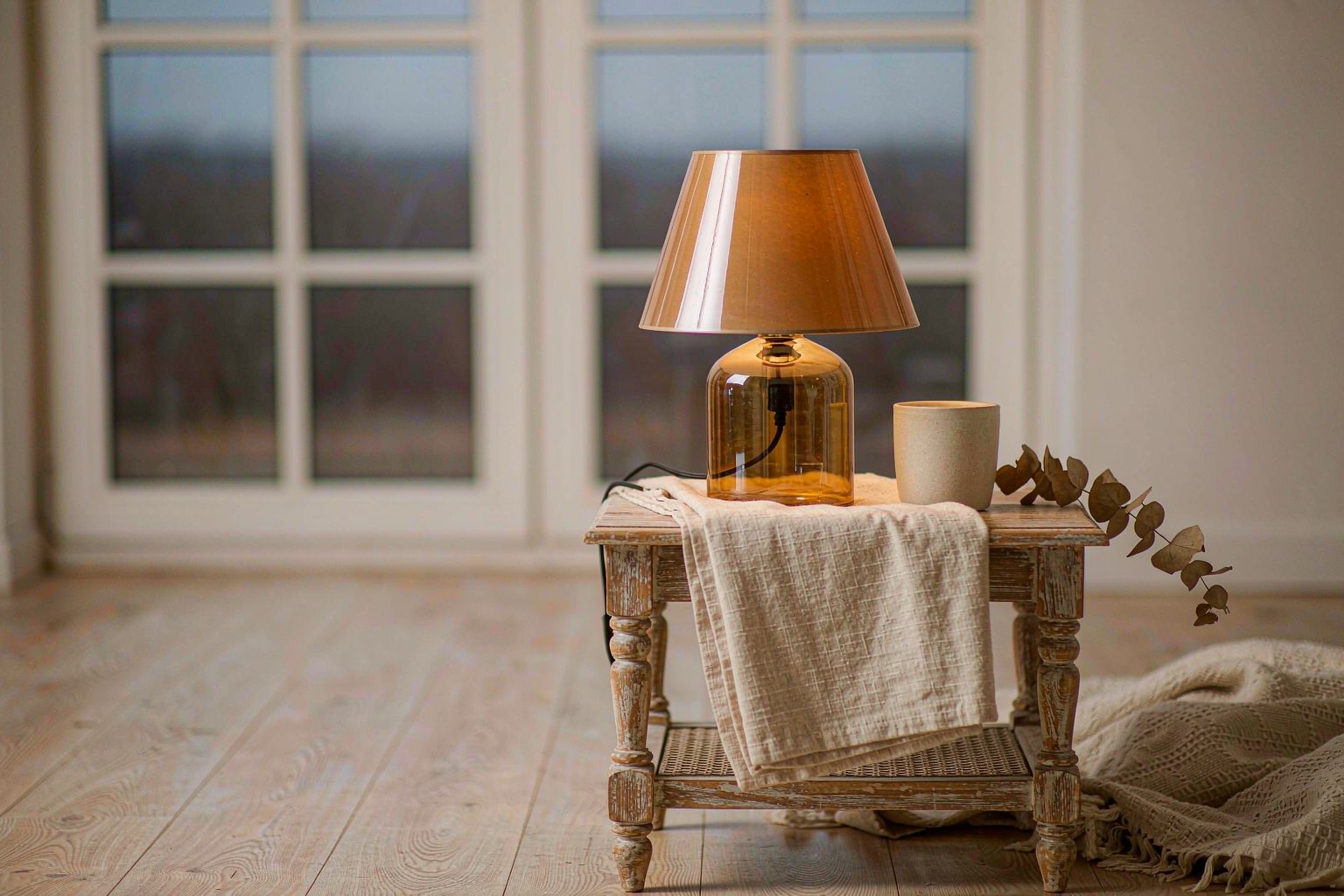
Fatigue isn’t solved by trying harder. A small anchor: dim the light, lie down for ten minutes with nothing to accomplish, and let one soft thing rest on your chest. Rest isn’t something you have to earn.
Overwhelmed — hold just one thing
Overwhelmed is several feelings wearing one coat. A small anchor: pick a single object in your hand, or a single breath, and let everything else wait outside the door for a minute.
The anchors aren’t the point
Worth remembering
A stone won’t change your circumstances. What it changes is the next sixty seconds — which is the only part you can actually reach. The pause is the point. The object is just what your hands hold while you take it.
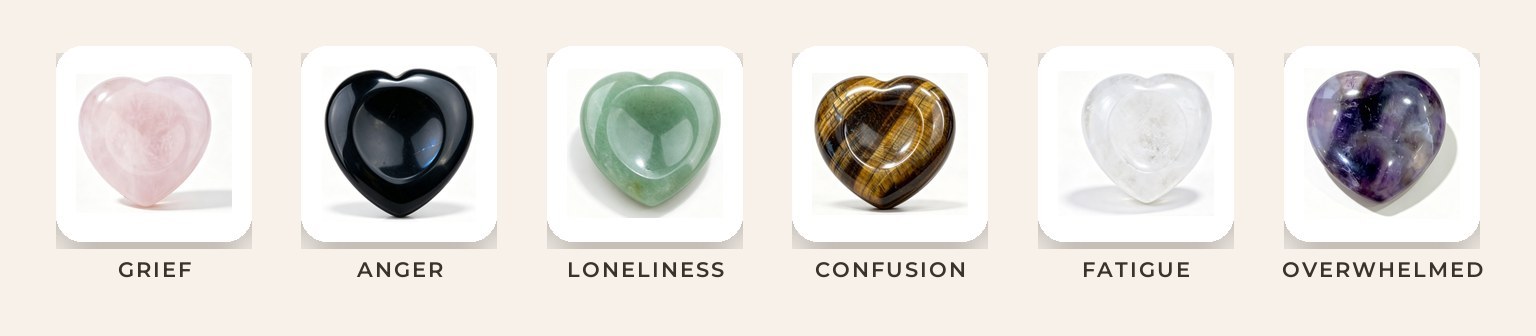
Six feelings, six companions — if you want one
If a small object helps you remember to pause, our six Four-Sense Kits are built around exactly these feelings — each with a stone that matches the mood, plus a few other ways to slow the hands down. They’re companions, not cures. Any of them can simply be something pleasant to hold.
- Grief — Grief Comfort Kit
- Anger — Anger Release Kit
- Loneliness — Loneliness Companion Kit
- Confusion — Confusion Guidance Kit
- Fatigue — Fatigue Recovery Kit
- Overwhelmed — Overwhelmed Comfort Kit
Prefer to start with just the stones? The Complete Emotions Set gathers all six in one place.
Read the six and thought of one person?