Flowers have a four day clock. Here is what people still had six months later.
Flowers are the default. Someone dies, you send flowers, the script writes itself. Nobody has to think about it.
Then the flowers die too, usually by Thursday, and most people stop there. Which is strange, because that is exactly when the harder part starts.
Flower shops sell flowers. Card shops sell cards. Nobody in that chain is paid to think about month two.
So here is my attempt at filling the gap.
Flowers are not the mistake
I want to defend flowers for a moment, because the internet has turned dunking on them into a sport and that is not the real problem.
Flowers do three things well. They arrive fast. They change how a room looks, which matters when a house has been full of people and then is suddenly not. And they come with a script. You do not have to find words. When someone dies, most of us are hunting for a script.
The problem is not the flowers. It is the clock.
Four days, five if the room stays cool. Then the water clouds, the petals start to drop, and someone has to carry a vase of dead stems out to the bin. That is a small chore in a week that already has too many small chores. Nobody mentions this part.
Week one is the easy week
This is the thing I wish more people understood. The first week after a death is crowded. Casseroles, cousins, cards, flowers, people in the kitchen at odd hours. The person at the centre of it is running on adrenaline and logistics. There are forms to sign and a funeral to organise.
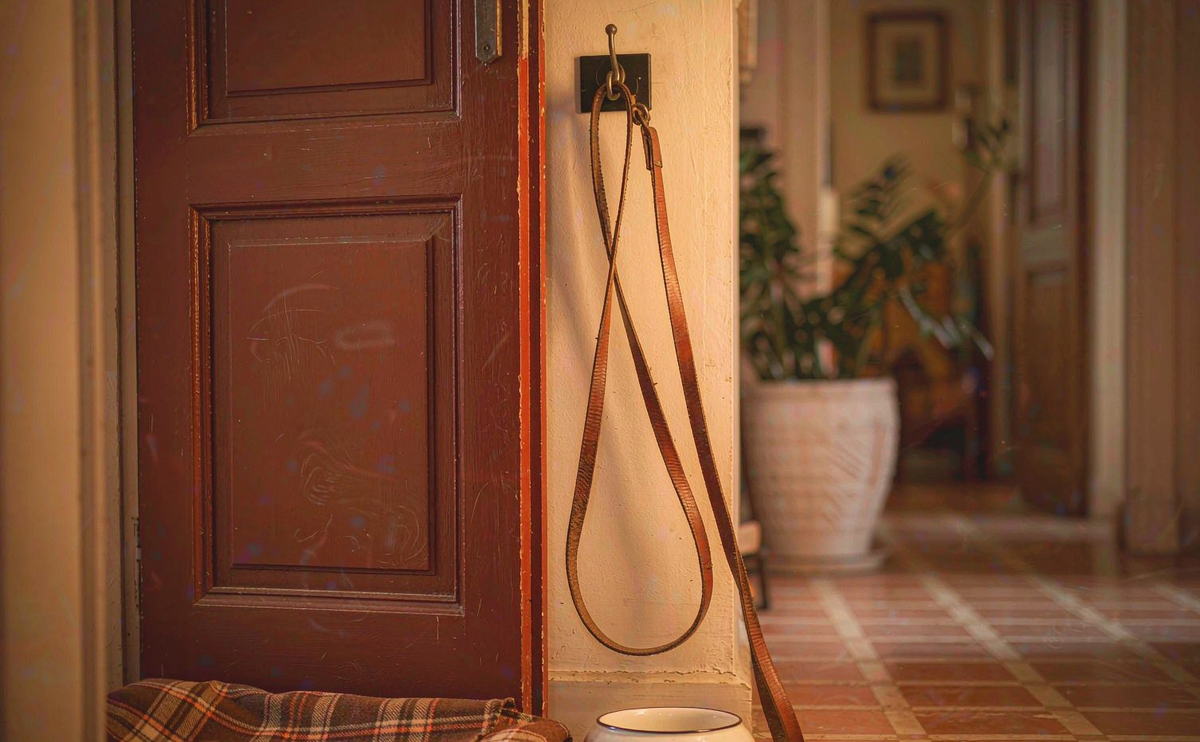
Week nine is different. The house is quiet. The casseroles are gone. The phone has stopped. And that is when the loss gets a shape.
A florist would tell you her busiest week is the week of the funeral and her emptiest is the month after. That is backwards from how grief actually runs.
The test I use now
When I am not sure whether something is a good sympathy gift, I ask one question. Will this still be in their house in three months?
Fresh flowers fail. So do fruit baskets, cheese boards, and anything edible, unless you know the household well enough to know what gets eaten. A box of pastries is lovely on Tuesday and gone by Thursday.
Things that pass the test tend to share one quality. They are boring in a good way. They sit on a windowsill, or in a pocket, or on a bedside table, and they quietly stay.
Things that stay
Four categories, roughly in order of how often they get used.
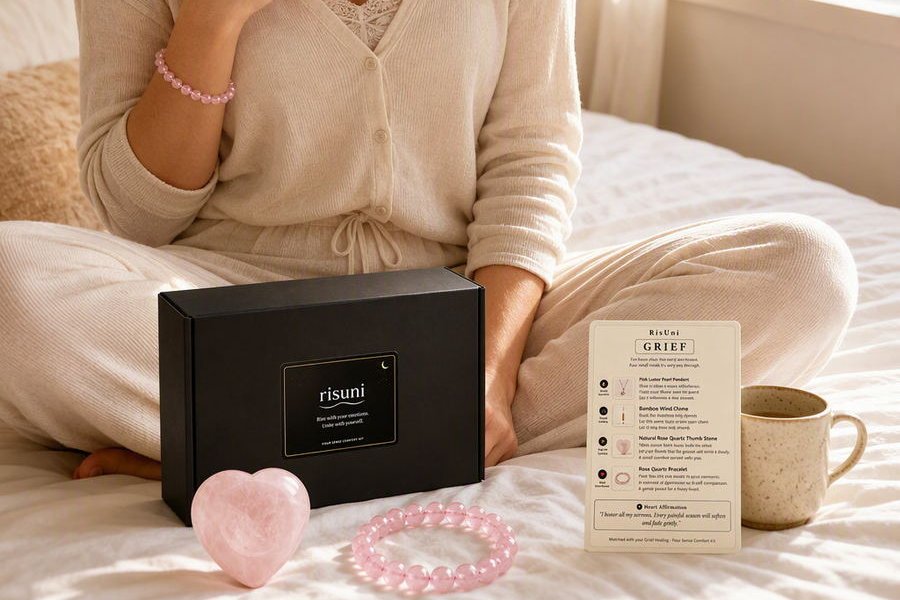
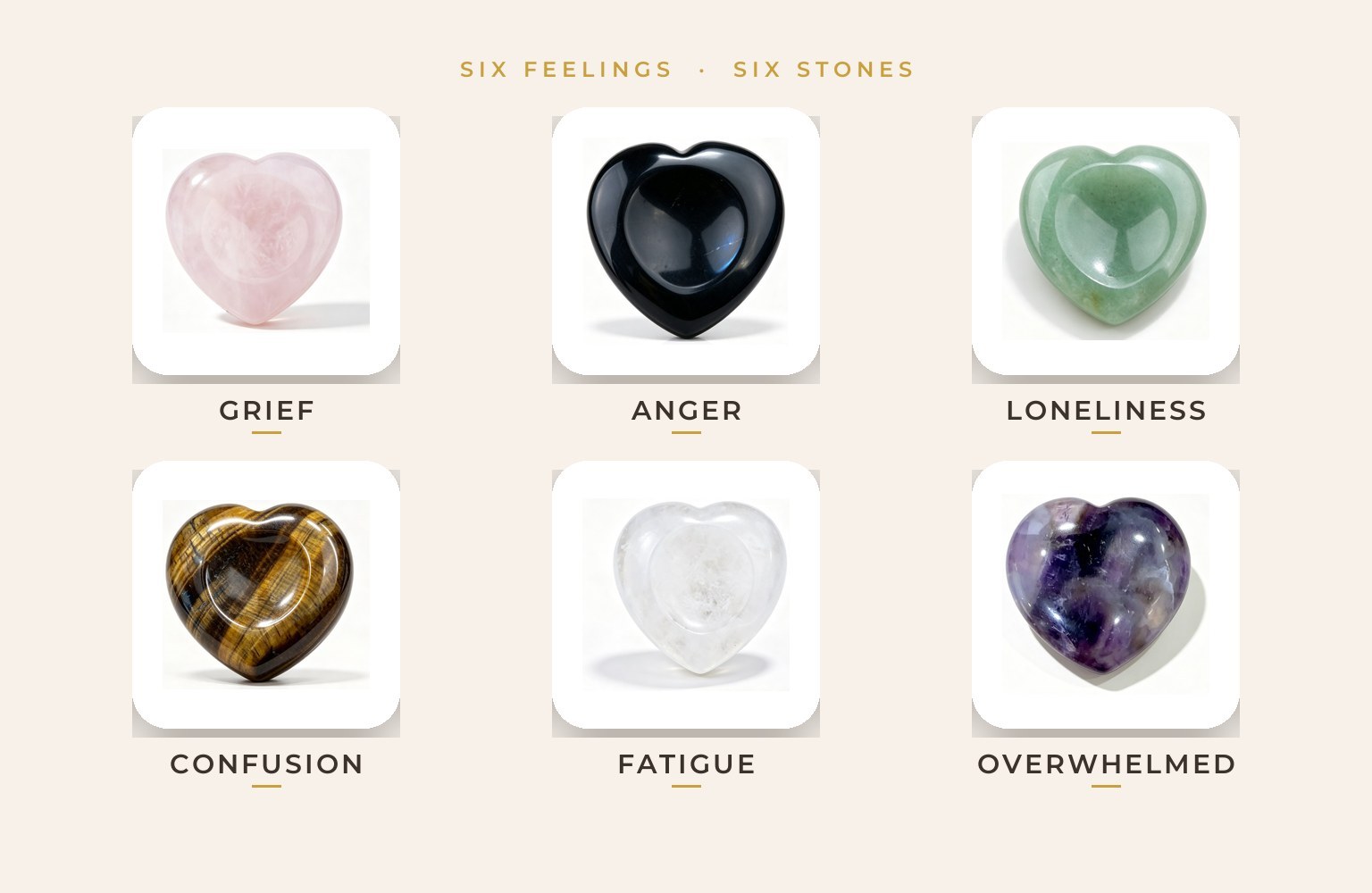
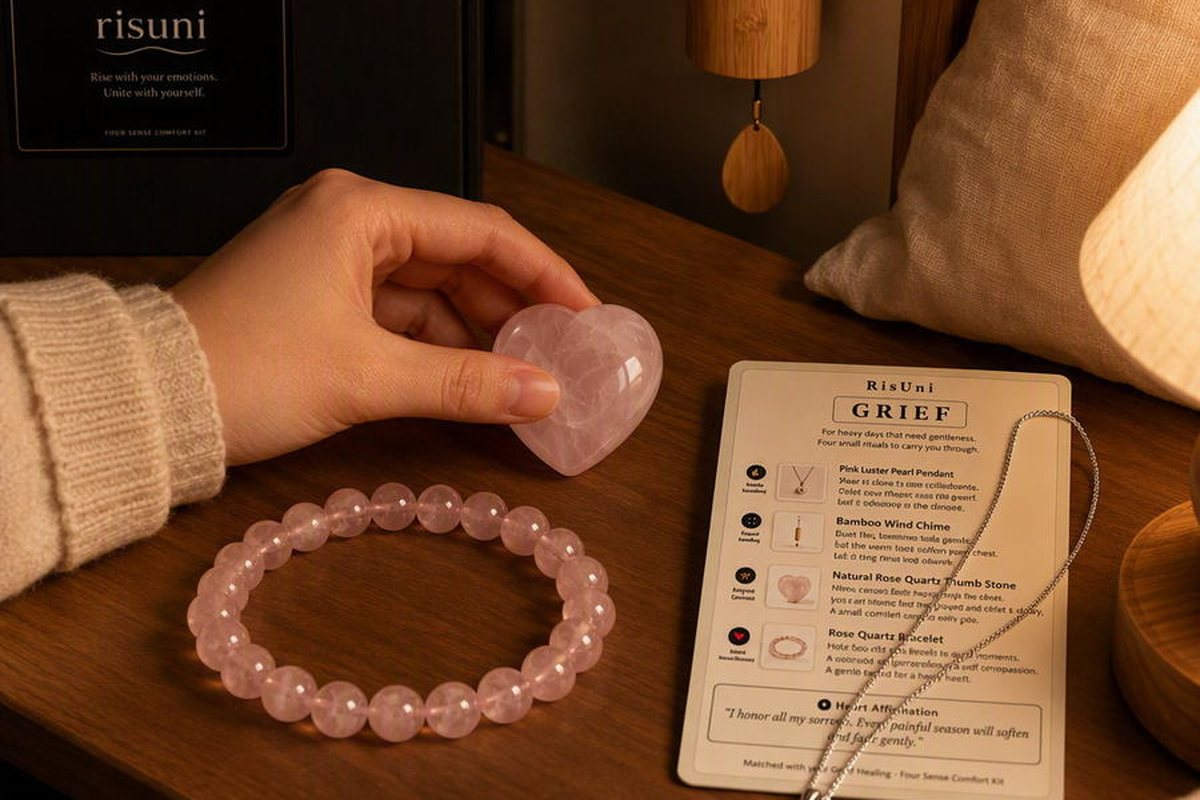
Something small enough to carry. A thumb stone is the one that surprises people. Ours is a heart shaped piece of polished rose quartz, 40mm across and 8mm thick, with a groove cut across the middle for your thumb. The point is not decoration. The point is that it gives your hands one small job when the rest of you is somewhere else. It lives in a pocket. Nobody at work can see it. That invisibility is the feature, not a compromise.
Something worn. A bracelet gets put on in the morning and stays on. It does not require a decision. Rose quartz and amethyst are the two most common, and the difference between them matters less than the fact that it is on her wrist at 2pm on a Wednesday.
Something that makes a sound. This one gets overlooked. A house after a loss is often too quiet, and quiet is not restful when it is new. A small bamboo wind chime, ours is tuned to C, E and A, does a strange amount of work. It moves when nobody is doing anything. That is the whole job.
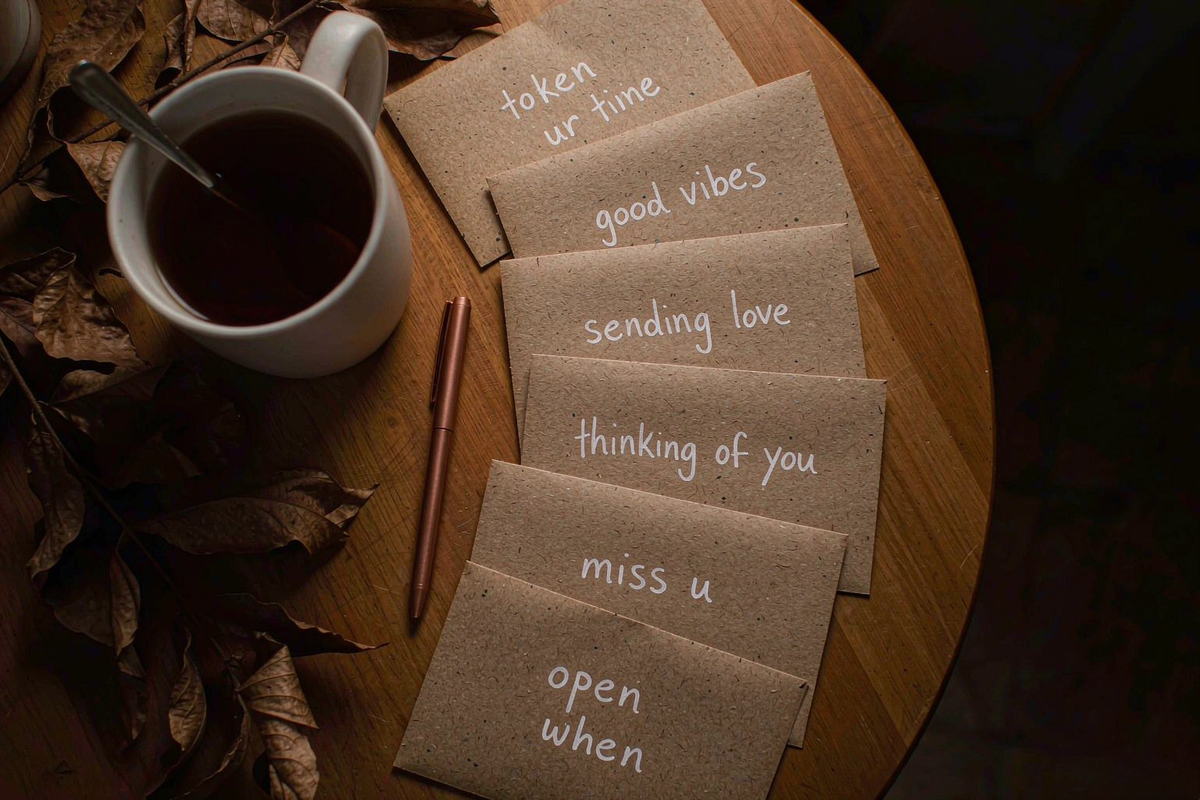
A card that says something specific. More on this below, because it is the cheapest item and the one people reread.
The card matters more than the object
The card is the part most people underestimate. It costs the least and gets read the most, usually more than once, sometimes until the folds go soft.
Three rules I would give anyone writing one.
Skip the word sorry on its own. It is fine as part of a sentence but on its own it is a placeholder, and people can feel a placeholder.
Do not explain the death to them. Not what it means, not that it was for the best, not that he is in a better place. It is not your job to make it make sense, and every attempt lands as a small argument.
Write one memory instead. A specific afternoon. Something he said once at a barbecue. The fact that she always arrived forty minutes early and complained about it. Specific beats sincere every time, because specific proves you were paying attention.
If you truly have no memory to draw on, say that. Something like, I did not know her, but I know you, and I am thinking about you this week. That is honest and it works.
What I would skip
Candles. They burn down. Then the glass goes in the bin and there is no trace.
Scented anything. Scent is personal in a way that is hard to guess. A smell you find calming can read as chemical to someone else, and now they have to pretend to like it.
Books about grief. This one gets people in trouble. A book titled something like how to move on is a suggestion that they are behind schedule. If they want to read, they will find it. Send a novel instead if you must send a book.
Anything that needs assembly. Not the week of, and not the month of. If it arrives in pieces, it is a task, and they are already carrying enough tasks.
Where you stand changes the answer
One thing I have learned selling these. The same object reads differently depending on who sends it.
A close friend. You have room. A full box and a long card is appropriate, and personal beats expensive. You already know what she owns, which saves you from sending a second bracelet.
A colleague. Keep it small and keep it neutral. A large box from someone she sees at standup every morning creates an obligation neither of you wants. One object, one short card, no explanation.
A neighbour. Something practical that does not require a reply. A wind chime works here, because it is for the house rather than for her, and it gives her nothing to answer.
Your boss. Skip anything that suggests you know their private life. A card signed by the team does more than an object and puts nobody in an awkward spot.
Someone you barely know. A card. That is allowed. Not every death requires a purchase, and a plain card with one specific sentence beats a gift that arrived because you felt you had to send something.
What it actually costs
Three honest tiers.
Around $12 to $25 gets you one good object and a card. A single thumb stone, for example, is $11.99 at our shop, and 40mm of polished stone is not a token gift. It is small, but small is not the same as cheap. If money is tight, this tier is completely respectable and nobody will think less of you.
$40 to $80 buys a piece of jewellery and a card, or a small set of two things that work together.
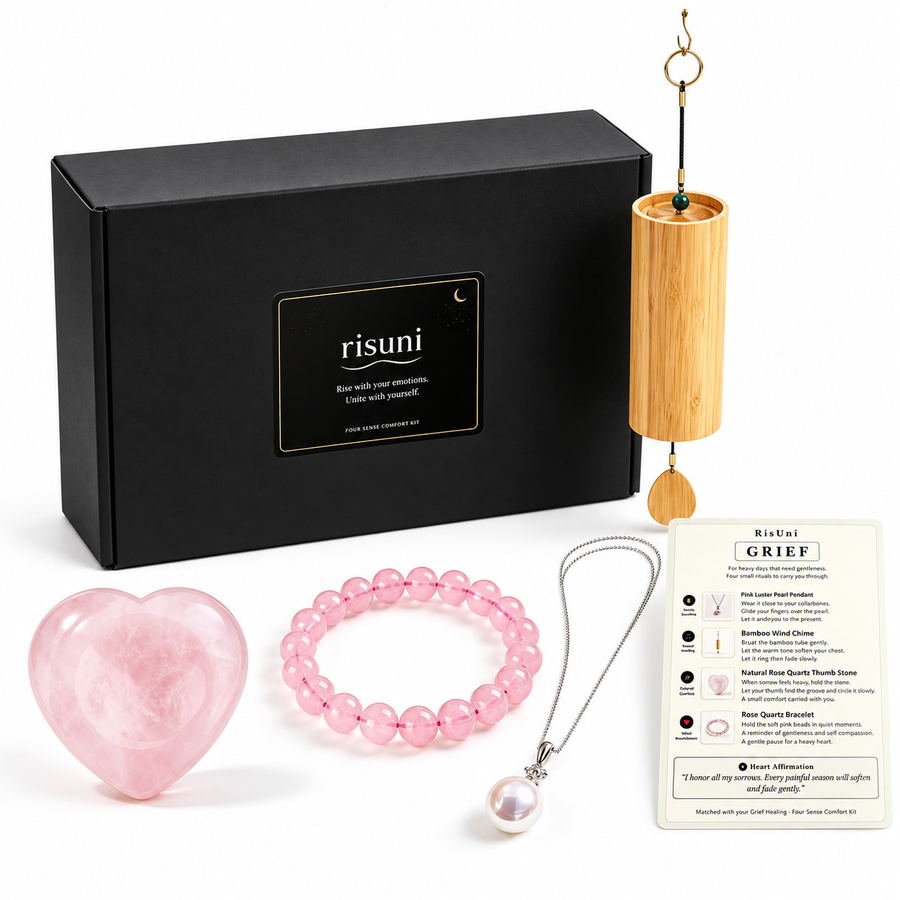
Above $100, people are usually buying a box rather than an object. Our four piece grief kit runs $148.50, which sounds like a lot until you price the parts separately. It is a pearl pendant on a 925 silver chain, a bamboo wind chime tuned to C, E and A, a rose quartz bracelet, a rose quartz thumb stone, and a printed card. Packed by hand, no receipt inside, free shipping with no minimum.
One practical note. Whatever you send, check whether the shop puts a receipt in the box. Ours does not, and neither should anyone else’s. A price slip falling out of a sympathy gift is its own small disaster.
Send twice, not once
The most useful thing you can do costs nothing extra. Put a reminder in your phone for six weeks from now.
Almost everyone sends something in the first week. Almost nobody sends anything in the seventh. A second small note in week six, or on the birthday, or on the first anniversary, lands harder than the first gift did, because by then the person has stopped expecting anything from anyone.
It does not need to be another purchase. A message is enough. Something like, I remembered today was her birthday, and I am thinking about you, works better than a second box.
If you do want to send a second thing, make it smaller than the first. A single stone, a short card. The second gift is a signal, not a delivery.
If you have ten minutes
Buy one small thing. Write four sentences on a card. Do not explain the death. Do not apologise for being late. Mention one specific afternoon you remember.
That is it. That is the whole method.
The flowers from the funeral have been in the bin for weeks now. This is the part that comes after.
Not sure which one fits the person you have in mind?